Source and category check
Before drying starts, the contractor identifies where the water came from and whether it is clean, gray, or contaminated, since that changes what materials can be saved and what must be removed.
Serving Pittsburgh, Pennsylvania & surrounding areas
Calls answered around the clock
Describe what happened once and get connected with a local contractor who handles drying, cleanup, and rebuild coordination for water-damaged homes and businesses.
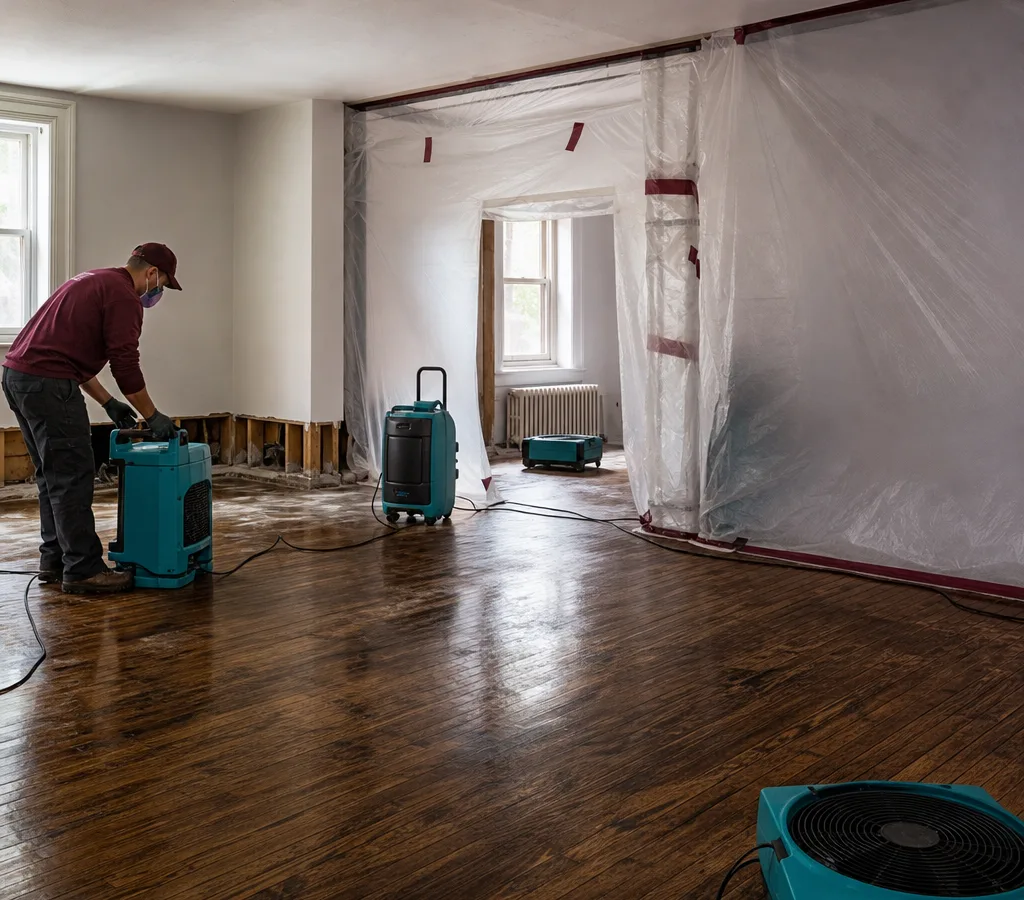
This page covers one part of what we arrange in Pittsburgh, Pennsylvania. For the full picture of how mold work is handled across the city, see Mold Removal Pittsburgh.
Inspection, drying and cleanup
When you search for water damage restoration Pittsburgh, you are usually dealing with two problems at once: the water you can see and the moisture you cannot. Restoration is the process of finding where water traveled, removing damaged materials when needed, drying the structure, cleaning residues, and preparing the space for repairs.
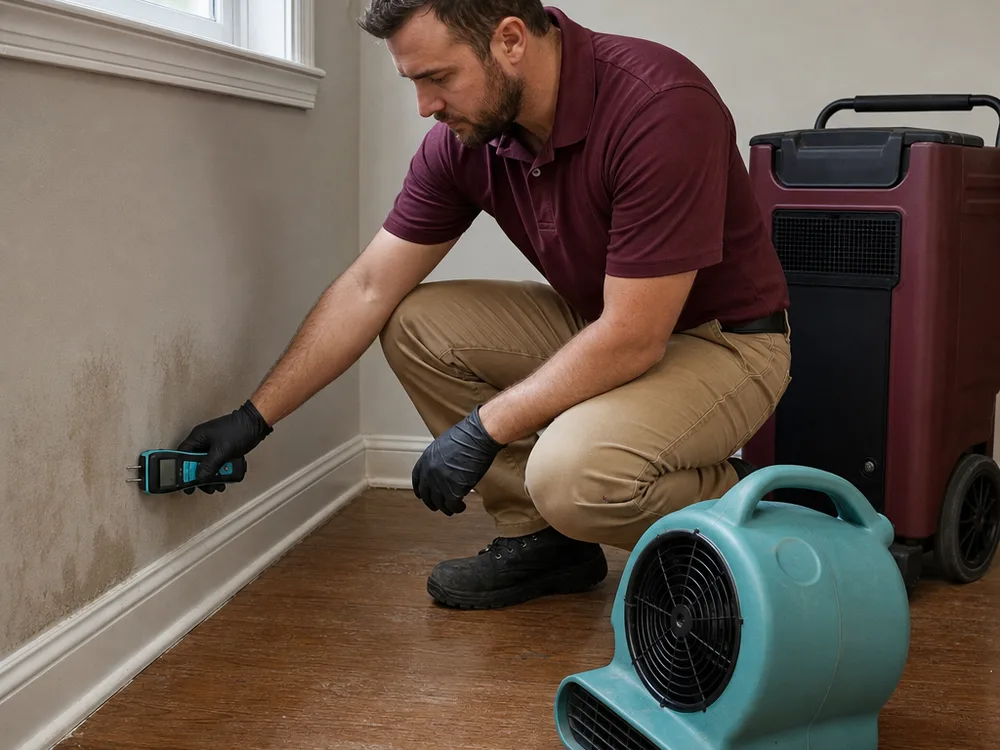
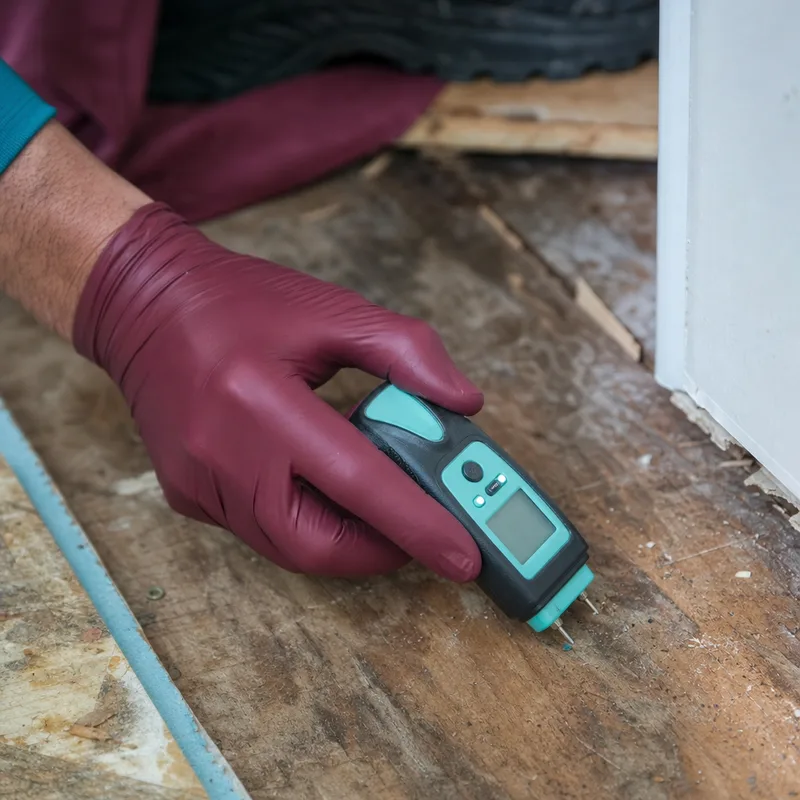
A local contractor typically starts with a walkthrough and moisture checks. Expect readings taken at baseboards, drywall, subfloors, and around penetrations like plumbing lines and HVAC registers. Water can wick up drywall and migrate under flooring, which is why surface drying alone often misses the real wet areas.
In neighborhoods with older housing stock such as Bloomfield, water commonly appears behind plaster or older wall assemblies, which can dry differently than modern drywall. In hilly areas with split-level layouts like Mt. Washington, water can run down chases and stair walls and appear far from the source. In basement-heavy areas like Brookline, restoration plans often include focused drying of concrete, framing, and lower wall systems.
If you do not want to call multiple companies to determine who handles your situation, Mold Removal Pittsburgh connects you by phone with a local contractor who works on Pittsburgh water damage restoration projects and can discuss next steps based on what you are seeing.
A complete restoration scope
Before drying starts, the contractor identifies where the water came from and whether it is clean, gray, or contaminated, since that changes what materials can be saved and what must be removed.
Readings are taken in multiple locations—not just where the floor looks wet—so drying equipment is sized to the actual wet footprint.
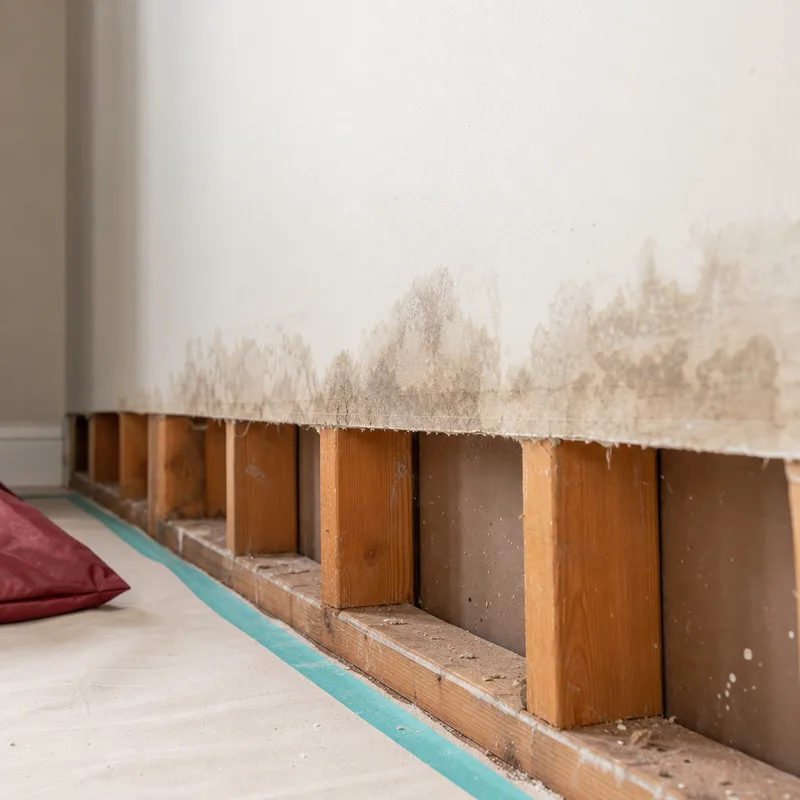
When drywall, insulation, carpet pad, or baseboards cannot be dried properly, selective demolition opens cavities and prevents moisture from remaining trapped.
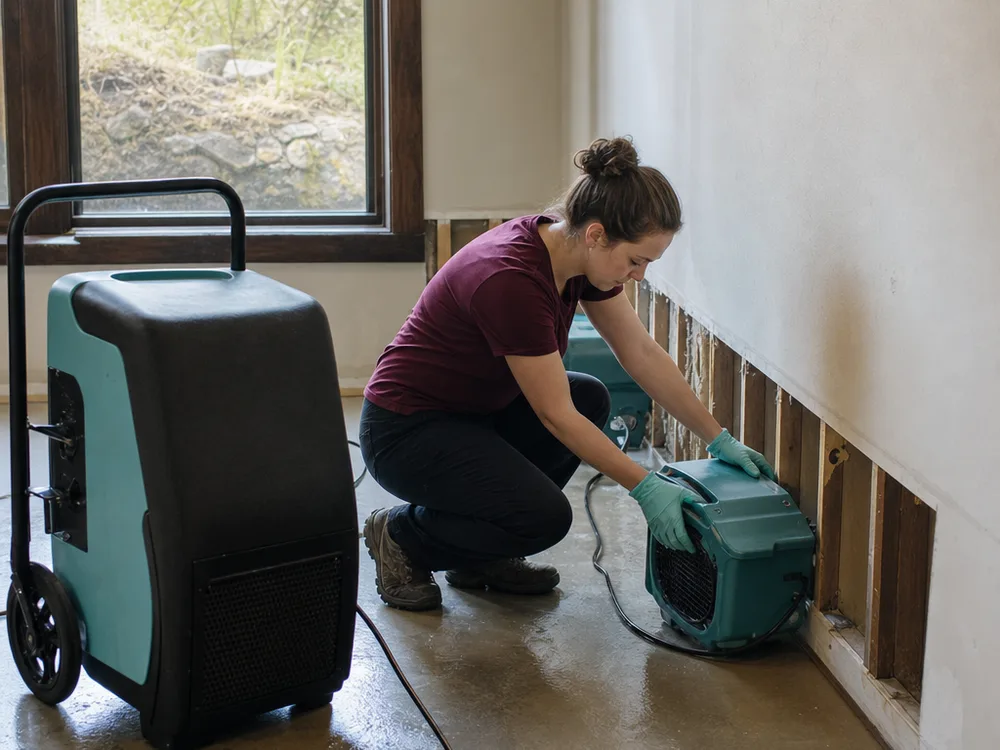
Air movers, dehumidification, and targeted cavity drying are used until materials reach dry targets confirmed with moisture checks.
Cleaning may include HEPA vacuuming, antimicrobial application when appropriate, and addressing odor sources in porous materials.
Once drying and cleanup are complete, the contractor can outline what repairs come next: drywall, flooring, trim, paint, and any cabinetry work.
One call, then a direct conversation
Share where the water is, what caused it if you know, and what materials are affected, such as carpet, hardwood, drywall, or a basement.
Based on your situation and area of Pittsburgh, we route your call to an independent contractor who handles water damage restoration.
The contractor asks follow-up questions, explains the likely scope, and discusses how they approach drying, cleanup, and repairs.
You stay in control of scheduling and approval. Any quote, work plan, and warranty terms come from the contractor you choose.
If water has reached drywall, flooring, or a basement, describing the situation once can be the quickest way to reach a local contractor who can confirm what needs drying, what needs removal, and what repairs come next.
CALL NOW: 412-900-8052Drying, removal and repair details

Common questions
The most helpful details are the source—such as a pipe leak, backup, or rain intrusion—where the water is visible, what materials are affected, and when you first noticed it. If possible, also note whether power is off in any area and whether the water reached a basement, crawlspace, or finished lower level.
The decision is based on water category, how long materials have been wet, and whether moisture is trapped in cavities. Porous items like carpet pad, insulation, and swollen particleboard often cannot be reliably returned to pre-loss condition, while framing and many subfloors can be dried if access and equipment are set correctly.
The first checks usually include the water line on walls, whether the source was seepage or a backup, and what finishes are present, including drywall, paneling, carpet, or laminate. In Pittsburgh basements, moisture often hides behind baseboards and at the wall-to-floor joint, so the contractor may recommend opening the lower wall area to dry it properly.
Restoration focuses on drying and removing water-damaged materials so conditions for growth are reduced. If visible growth is present or materials stayed wet long enough to raise concern, the contractor may include containment, HEPA filtration, and removal of affected porous materials in the scope. You can also discuss whether separate mold-focused work is appropriate.
Structural drying typically includes placing air movers across wet surfaces and running dehumidification to pull moisture from the air. For hidden wet areas, contractors may remove baseboards, drill small access holes for cavity drying, or lift sections of flooring so the wet layer can dry to confirmed moisture targets.
Clearing wet areas helps the contractor map moisture and set equipment, but you do not need to guess what should stay or go. Explain what is in the affected rooms, and the contractor can tell you what to move first, what to keep out of the work area, and what can be protected in place.
Older assemblies can hide moisture in plaster, multiple wall layers, and older subfloors, which can change how access is created and how drying is verified. The contractor may spend more time tracing where water traveled, especially around chimneys, stacked bathrooms, or older window openings.
You describe the water damage situation by phone once, and we connect you with a local contractor who handles this type of work in the Pittsburgh area. You then discuss scope and next steps directly with that contractor and decide whether to move forward.
If it is safe, stop the water source by shutting off a valve and avoid using electrical outlets in wet areas. Take a few photos for your records, and write down which rooms and materials were affected so the contractor conversation is more productive.
Talk through what happened once and get connected with a local Pittsburgh-area contractor who can assess the drying and cleanup scope and explain what repairs typically follow.